

Are you aware of the truth behind common credit card misconceptions? Many people make financial decisions based on hearsay or outdated information. It’s time to separate credit card myths from facts to make informed choices about your financial health.
Understanding the realities of credit cards can help you avoid unnecessary fees, improve your credit score, and make the most of the benefits they offer. By debunking popular myths, we can uncover the facts that matter.
Key Takeaways
- Common myths surrounding credit cards can lead to financial mistakes.
- Knowing the facts can help you use credit cards to your advantage.
- Separating myths from facts is crucial for making informed financial decisions.
- Credit card misconceptions can affect your credit score and financial health.
- Understanding credit card realities can help you avoid unnecessary fees.
The Impact of Credit Card Myths and Facts on Your Financial Health
Credit card myths can significantly impact your financial decisions, making it essential to separate fact from fiction. Misconceptions about credit cards can lead to poor financial choices, affecting your overall financial health. It’s crucial to understand the facts and dispel common myths to make informed decisions.
How Misinformation Affects Financial Decision-Making
Misinformation about credit cards can lead to costly financial mistakes. For instance, believing that carrying a balance is necessary to build credit can result in unnecessary interest charges. It’s essential to verify information through reputable sources to avoid such pitfalls.
Steps to Develop Credit Card Literacy
Developing credit card literacy involves understanding key concepts and staying informed. Here are some steps to enhance your knowledge:
- Read reputable sources
- Understand credit card terms
- Monitor your credit report
Reliable Resources for Credit Card Information
For accurate information, consult reputable financial websites and government resources. Some trusted sources include the Consumer Financial Protection Bureau (CFPB) and financial education websites.
Warning Signs of Credit Card Misinformation
Be cautious of sources that seem too good (or bad) to be true or make unsubstantiated claims. Verify information through multiple sources before making financial decisions.
| Myth | Fact |
|---|---|
| Carrying a balance helps credit scores. | Carrying a balance can lead to unnecessary interest charges; paying in full is generally better. |
| Closing old accounts improves credit scores. | Closing old accounts can actually harm your credit score by reducing your credit history. |
Credit Scores and Credit Cards: Myths vs. Reality
The connection between credit scores and credit cards is often misunderstood, leading to myths that can affect your financial decisions. Understanding the reality behind these myths is crucial for making informed choices about your credit.
How Multiple Credit Cards Actually Affect Your Credit Score
Having multiple credit cards can impact your credit score in various ways. It’s essential to understand these dynamics to manage your credit effectively.
The Impact of Credit Utilization Ratio
The credit utilization ratio, which is the percentage of available credit being used, significantly affects your credit score. Keeping this ratio low across all your credit cards is vital. Aim to use less than 30% of your available credit to maintain a healthy credit score.
Managing Multiple Cards Responsibly
Managing multiple credit cards responsibly involves making timely payments and keeping track of your credit utilization. Setting up payment reminders can help ensure you never miss a payment.
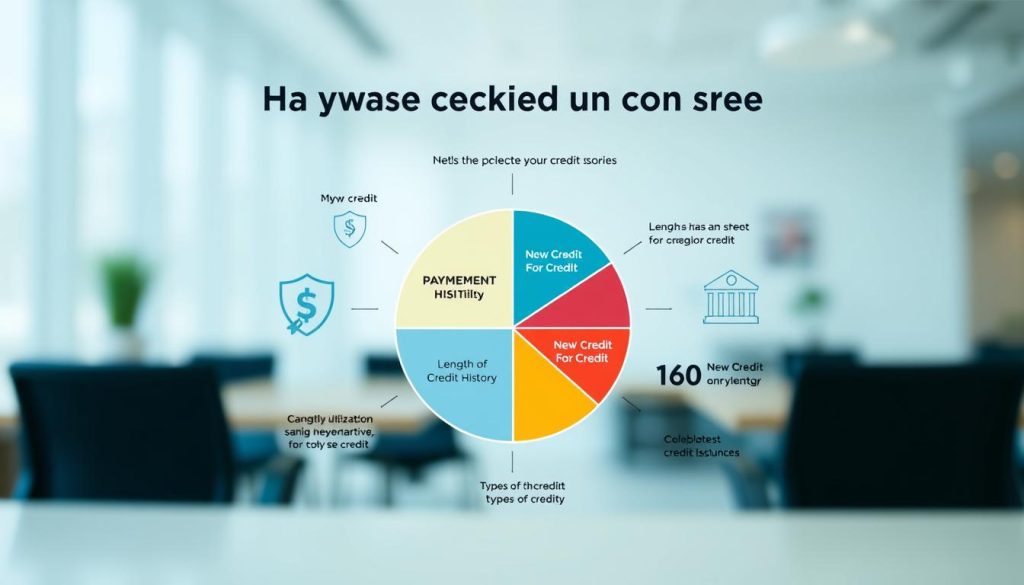
| Factor | Impact on Credit Score | Tips for Improvement |
|---|---|---|
| Credit Utilization Ratio | High utilization can lower your score | Keep utilization below 30% |
| Payment History | Missed payments can harm your score | Set up payment reminders |
| Credit Age | Older credit accounts can help your score | Consider keeping old accounts open |
The Truth About Credit Score Checks and Inquiries
Credit score checks and inquiries can be categorized into soft and hard inquiries, each having different implications for your credit score.
Soft vs. Hard Credit Inquiries Explained
Soft inquiries occur when you check your credit score or when a lender preapproves you for a credit offer. These do not affect your credit score. Hard inquiries, however, happen when you apply for credit and can slightly lower your score.
How to Monitor Your Credit Score Safely
Monitoring your credit score regularly can help you detect any errors or fraudulent activities. Use reputable credit monitoring services that provide free credit reports and alerts for any significant changes.
How to Avoid Falling for Credit Card Debt Myths
Understanding the truth behind common credit card debt myths is crucial for financial health. Many individuals struggle with credit card debt due to misconceptions about how credit cards work. By debunking these myths, consumers can make more informed decisions about their financial management.
The Real Impact of Carrying a Balance Month to Month
Carrying a balance on your credit card can have significant financial implications. It’s not just about the interest; it’s about how that interest is calculated.
Interest Calculation Methods Explained
Credit card interest can be calculated using various methods, including the average daily balance method. Understanding how your interest is calculated can help you manage your debt more effectively.
Optimal Payment Strategies
To avoid falling into debt, it’s essential to adopt optimal payment strategies. Paying more than the minimum payment each month can significantly reduce the total interest paid over time.
Understanding Minimum Payments and Their Consequences
Making only the minimum payment on your credit card can lead to a longer payoff period and more interest paid overall. It’s crucial to understand the implications of minimum payments.
The True Cost of Making Only Minimum Payments
Making only the minimum payment can result in paying significantly more over the life of the debt. For example, a $2,000 credit card balance with an 18% interest rate can take over 14 years to pay off if only making minimum payments.
| Balance | Interest Rate | Minimum Payment | Payoff Period | Total Interest Paid |
|---|---|---|---|---|
| $2,000 | 18% | $50 | 14 years | $4,311.92 |
| $5,000 | 22% | $100 | 20 years | $12,919.11 |
Creating an Effective Debt Repayment Plan
To avoid the pitfalls of minimum payments, create a debt repayment plan. Consider consolidating debt, cutting expenses, and allocating extra funds towards debt repayment.
By understanding the realities of credit card debt and adopting effective strategies, consumers can avoid common myths and improve their financial health.
Navigating Credit Card Fees and Interest Rates
Credit card fees and interest rates can be complex, but knowing how they work is key to avoiding unnecessary costs. Understanding these elements can help you make informed decisions about your credit card usage and potentially save you money.
How to Choose Between Cards With and Without Annual Fees
When deciding between credit cards with and without annual fees, consider your spending habits and financial goals. Cards with annual fees often offer premium rewards and benefits that can outweigh the cost for frequent users.
When Annual Fee Cards Make Financial Sense
Annual fee cards make sense if the rewards and benefits you receive exceed the fee. For example, if a card offers 5% cashback on groceries and you spend $1,000 monthly on groceries, the $50 annual fee might be justified if you earn $600 in rewards.
Calculating the True Cost of a Credit Card
To calculate the true cost, consider the annual fee, interest rate, and any other charges. Compare these costs with the benefits and rewards to determine if the card is a good fit for you.

Strategies for Negotiating Better Interest Rates
Negotiating a better interest rate with your credit card issuer can save you money on interest charges. Start by calling the customer service number and explaining your loyalty and payment history.
Timing Your Rate Negotiation Request
The best time to negotiate is after making several on-time payments, demonstrating your creditworthiness. Be polite and persistent, and don’t hesitate to ask for a supervisor if necessary.
What to Say When Requesting a Lower Rate
When requesting a lower rate, mention your loyalty, good payment history, and competitor offers you’ve received. A simple script can be, “I’ve been a loyal customer for [X] years, always making on-time payments. I’ve received offers from other cards with lower rates. Can you consider lowering my interest rate?”
| Negotiation Tips | Benefits |
|---|---|
| Be polite and persistent | Increases likelihood of a positive response |
| Mention competitor offers | Provides leverage for negotiation |
| Highlight your loyalty and good payment history | Demonstrates creditworthiness |
By understanding credit card fees and interest rates, and knowing how to navigate them, you can make more informed financial decisions and potentially save money.
Protecting Yourself: Credit Card Security Facts and Myths
The world of credit card security is filled with misconceptions that can leave consumers vulnerable. As we navigate the complex landscape of credit card usage, it’s essential to separate fact from fiction to protect ourselves effectively.
Comparing Security Features of Credit vs. Debit Cards
One of the most significant differences between credit and debit cards lies in their security features. Credit cards often offer more robust protections, including zero-liability policies that shield consumers from unauthorized transactions.
Federal Protections for Different Card Types
Federal laws provide different levels of protection for credit and debit cards. For instance, the Fair Credit Billing Act limits consumer liability for unauthorized credit card transactions to $50.
Best Practices for Secure Card Usage
To maximize security, consumers should regularly monitor their accounts and report any suspicious activity immediately. Using secure online portals for transactions can also enhance safety.
Effective Security Measures Beyond Common Myths
Beyond understanding the differences between credit and debit card security, there are several effective measures consumers can take. These include using digital security tools and knowing what to do in case of card compromise.
Digital Security Tools for Credit Card Protection
Utilizing digital wallets and two-factor authentication can significantly enhance credit card security. These tools add layers of protection that make it harder for fraudsters to access card information.
What to Do If Your Card Is Compromised
If a card is compromised, consumers should act quickly. This involves contacting the card issuer, monitoring account activity, and potentially issuing a dispute for fraudulent charges.
Maximizing Value: The Truth About Credit Card Rewards
To maximize the value of your credit card, it’s essential to understand how rewards programs work. Credit card rewards programs are designed to offer benefits to cardholders based on their spending habits. However, the complexity of these programs can sometimes lead to confusion.

How to Determine if a Rewards Program Justifies the Costs
When evaluating a credit card rewards program, it’s crucial to consider whether the benefits outweigh the costs. This involves calculating the value of the rewards earned against any annual fees or interest charges.
Calculating Your Break-Even Point on Annual Fees
To justify an annual fee, your rewards earnings should at least cover the cost of the fee. For instance, if your card has a $100 annual fee, you need to earn more than $100 in rewards to break even. Carefully review the rewards rate and categories to ensure you can meet this threshold.
Matching Rewards Programs to Your Spending Habits
Different rewards programs cater to different spending patterns. For example, a cash back card might be ideal for someone who spends heavily on groceries, while a travel rewards card could be better for someone who frequently travels. Aligning your card’s rewards program with your spending habits maximizes your benefits.
Comparing Different Types of Rewards Programs
Credit card rewards programs come in various forms, including cash back, points, and miles. Each type has its advantages and is suited to different user preferences.
Cash Back vs. Points vs. Miles: Which Works Best
Cash back rewards offer straightforward value, while points and miles can be more flexible but also more complex. Consider your personal financial goals when choosing between these options. For instance, if you frequently travel, a miles-based program might be more beneficial.
Hidden Benefits Beyond the Advertised Rewards
Many credit card rewards programs offer additional benefits beyond the advertised rewards, such as purchase protection, travel insurance, or exclusive event access. These perks can significantly enhance the overall value of your credit card.
In conclusion, understanding and maximizing credit card rewards requires a thorough evaluation of the program’s benefits and costs. By choosing a rewards program that aligns with your spending habits and financial goals, you can make the most of your credit card.
Conclusion: Making Informed Decisions About Credit Cards
Understanding the facts about credit cards is crucial for making informed financial decisions. By debunking common credit card usage misconceptions, individuals can better navigate the complex world of credit and avoid costly mistakes.
Developing credit card literacy empowers consumers to maximize the benefits of their credit cards while minimizing potential drawbacks. This includes being aware of the implications of credit card debt, understanding the terms of credit card agreements, and leveraging rewards programs effectively.
By applying the knowledge gained from understanding credit card facts, individuals can take control of their financial health. This involves making informed choices about credit card usage, being mindful of fees and interest rates, and adopting best practices for credit card security.
Ultimately, being informed about credit cards enables consumers to use these financial tools to their advantage, enhancing their financial stability and achieving their long-term financial goals.
FAQ
Are all credit cards with annual fees bad?
Not necessarily. Some credit cards with annual fees offer rewards and benefits that can outweigh the cost of the fee, such as travel insurance, airport lounge access, or high cash back rewards rates.
How do I know if a credit card rewards program is worth the annual fee?
To determine if a rewards program justifies the annual fee, calculate your break-even point by dividing the annual fee by the rewards rate. For example, if a card offers 2% cash back and has a 0 annual fee, you need to spend at least ,000 per year to break even.
Can I negotiate a lower interest rate on my credit card?
Yes, it’s possible to negotiate a lower interest rate. Call your credit card issuer, explain your loyalty to the company, and mention any competing offers you’ve received. Be polite and persistent, and you may be able to secure a lower rate.
What’s the difference between a soft and hard credit inquiry?
A soft credit inquiry occurs when a lender or creditor checks your credit report for promotional purposes or when you check your own credit score. It doesn’t affect your credit score. A hard credit inquiry occurs when you apply for credit, and it can temporarily lower your credit score.
How can I avoid credit card debt myths?
To avoid credit card debt myths, educate yourself on how interest is calculated, understand the terms of your credit card agreement, and make more than the minimum payment each month. Be wary of misinformation and consult reputable sources for credit card information.
Is it true that carrying a balance on my credit card can help my credit score?
No, carrying a balance is not necessary to maintain a healthy credit score. In fact, it can be costly due to interest charges. Paying your balance in full each month demonstrates responsible credit behavior and can help your credit score.
Can I use multiple credit cards to maximize rewards?
Yes, using multiple credit cards strategically can help you maximize rewards. Choose cards that offer high rewards rates in different categories, such as groceries, gas, or travel, and use the right card for each purchase.
What should I do if my credit card is compromised?
If your credit card is compromised, contact your issuer immediately to report the incident. They can freeze your account, issue a new card, and monitor for suspicious activity. You should also review your account statements and credit reports for any unauthorized transactions.